
Services
Two principal offerings, delivered through the Praventa operating layer: Advanced Primary Care Management for continuous primary care, and Transitional Care Management for the period after a discharge. The clinical capabilities below are components of that infrastructure rather than separate programs.
Clinical Pharmacy Meets Primary Care
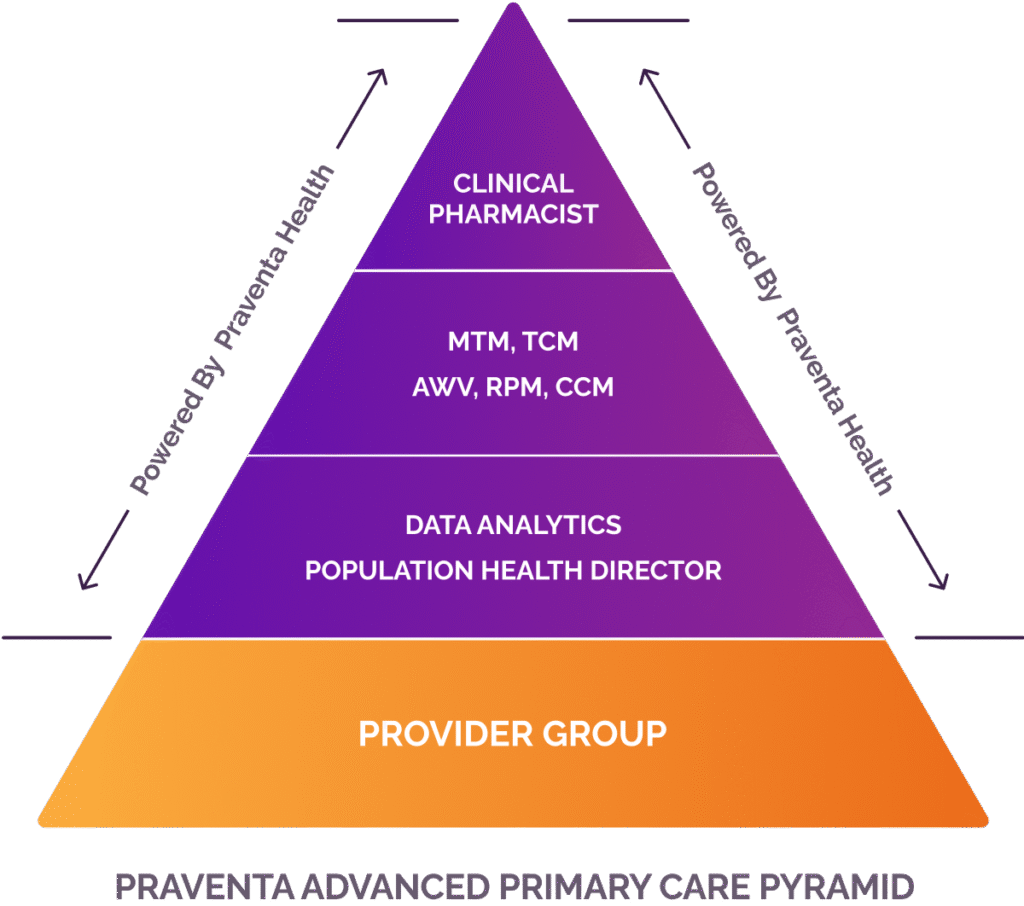
We aim to redefine the concept of primary care. Unlike traditional primary care, which is centralized and revolves solely around the primary physician, the Praventa Value Based Care Model positions the physician as the foundational element at the base of the care Pyramid. Primary care, in our model, is a patient centered and team-based approach starting with medication therapy management. Led by our clinical pharmacist team, we also provide comprehensive care management, behavioral health integration, transitional care management and other services that lend to value based care.
Achieving Healthcare's Triple Aim
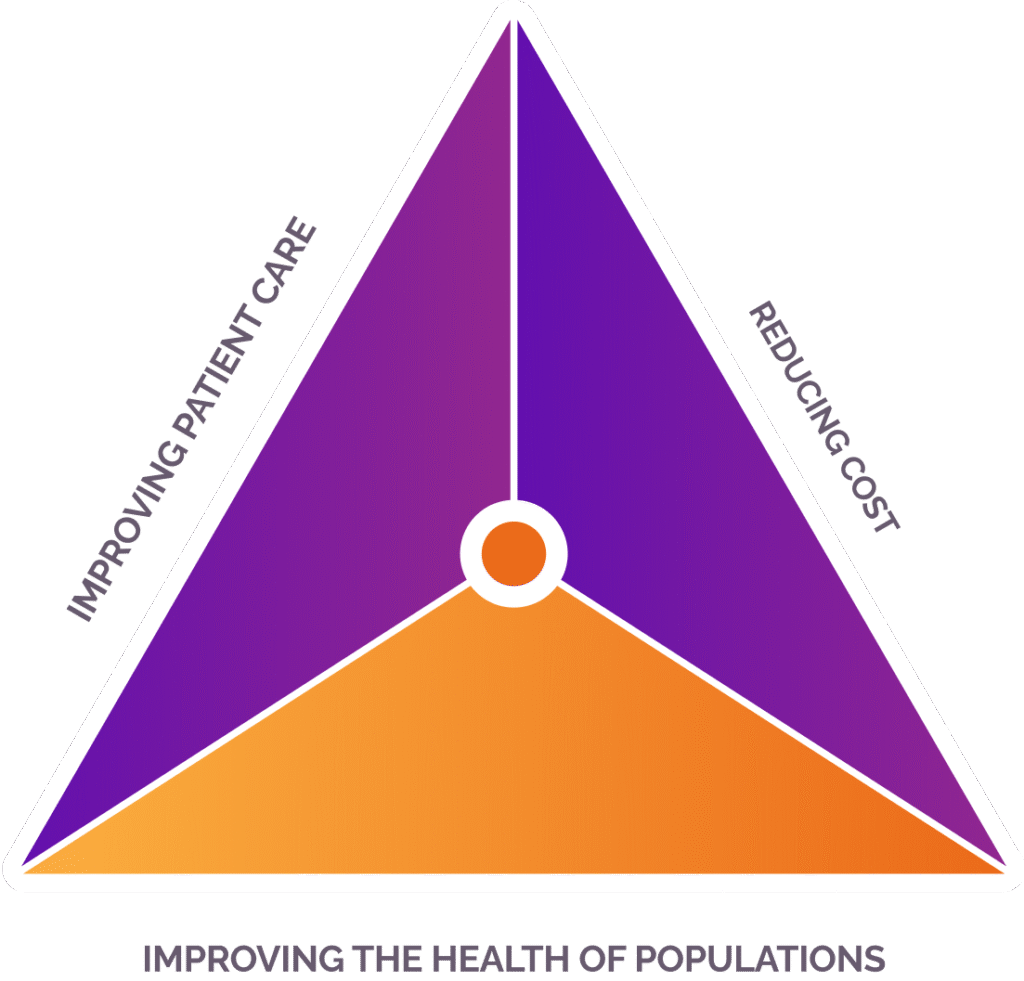
As dedicated long-term partners, our mission is to help organizations achieve the industry's TRIPLE AIM: enhancing individual patient outcomes, implementing effective patient population strategies, and reducing the total cost of care. Serving as an extension to conventional Primary Care offices nationwide, this distinctive partnership model empowers physician groups, ACOs, Payors, etc. to deliver transformative healthcare that will aid in reshaping the traditional paradigm of primary care.
Advanced Primary Care Management
Advanced Primary Care Management is an opportunity for primary care organizations to extend their clinical capabilities beyond traditional office visits.
Praventa provides the technical infrastructure, specialized clinical resources, and operational support necessary to implement and sustain this continuous-care model.
We operate as an extension of the physician's existing team, under the direction of the responsible practitioner. The practice keeps the patient relationship and the clinical direction; Praventa supplies the capacity to deliver between visits.
Clinical capabilities supporting the APCM operating model
- Comprehensive Medication Management
- Chronic Condition Management
- Medication Adherence
- Patient Engagement and Access
- Care Coordination
- Risk Stratification
- Care Gap Identification and Closure
- Clinical Documentation
- Population Health Intelligence
- Ongoing Patient Monitoring
Remote Patient Monitoring and Behavioral Health Integration can complement this model where clinically appropriate and where applicable billing requirements are met. An Annual Wellness Visit can serve as an initiating visit where CMS requirements are satisfied; it is not an automatic component of APCM. These capabilities describe the scope of the service, not a list of items separately reimbursed under the bundle.
No major technology build
The practice does not take on a technology implementation. Praventa supplies the operating infrastructure.
No new clinical team to hire
Praventa extends the existing team rather than replacing it, working under each physician's direction.
The physician keeps the relationship
Praventa operates behind the physician-patient relationship, never between the physician and the patient.
We build a practice-specific revenue and capacity analysis from your own panel before you commit. Reimbursement depends on patient eligibility, complexity level and documented service elements, so the analysis is modeled on your data rather than quoted as a general figure.
Extending Care Beyond the Hospital
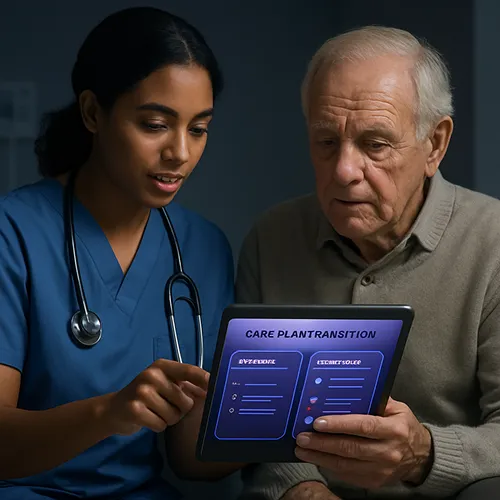
Transitional Care Management addresses the period after a hospital or skilled nursing facility discharge, when poor coordination and missed follow-up lead to complications, medication errors and readmissions. Praventa provides the clinical and operational infrastructure to support post-discharge care coordination.
What the infrastructure covers
- Hospital and skilled nursing facility discharge identification
- Timely patient outreach
- Medication reconciliation
- Clinical follow-up
- Care coordination
- Patient engagement
- Documentation and escalation
- Post-discharge monitoring and follow-through
Transitional care complements longitudinal primary care: it carries a patient through the weeks after a discharge and hands them back into continuous management. The two are reported differently, and the billing requirements are not interchangeable. Advanced Primary Care Management bundles elements of transitional and chronic care management, so the same practitioner does not report APCM and TCM for the same patient in the same month. Which one applies is a determination made per patient, per month.
Clinical capabilities, delivered as components of the infrastructure.
These are not separate programs to buy. They are the clinical capabilities the operating layer draws on, deployed according to what a patient needs and what the responsible practitioner directs.

Clinical Pharmacy
Clinical Pharmacy plays a crucial role in patient care by optimizing medication management and enhancing patient education. Clinical pharmacists work directly with patients and healthcare teams to ensure medications are used safely and effectively. This service leads to better health outcomes by preventing medication errors, managing chronic conditions more effectively, and educating patients about their medications.
Behavioral Health Integration
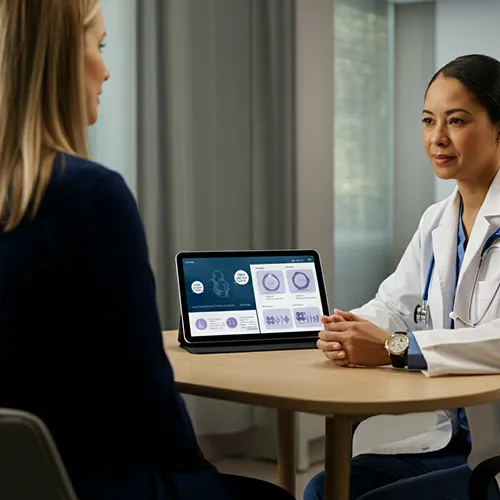
Integrating Behavioral Health into primary care settings bridges the gap between physical and mental health care, creating a more holistic approach to patient well-being. This integration facilitates early detection of mental health issues, improves access to mental health services, and enhances patient outcomes by treating the whole person. It also allows for more coordinated care, reducing the stigma associated with seeking mental health services.
Chronic Care Management
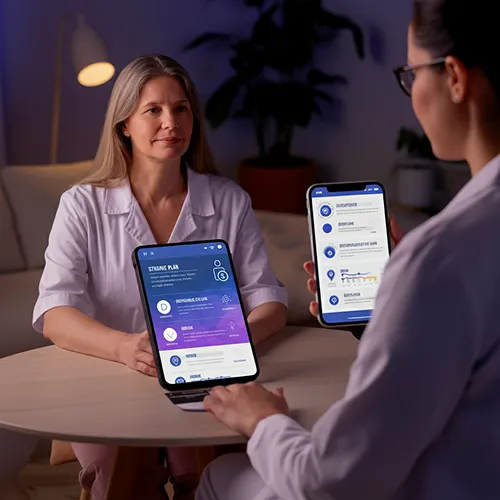
Chronic Care Management offers a coordinated approach to managing chronic health conditions such as diabetes, heart disease, and asthma. This service includes regular monitoring, personalized care plans, and patient education to manage symptoms and prevent complications. It leads to improved quality of life for patients, reduced hospital admissions, and lower healthcare costs, benefiting both patients and the healthcare system.
Remote Patient Monitoring
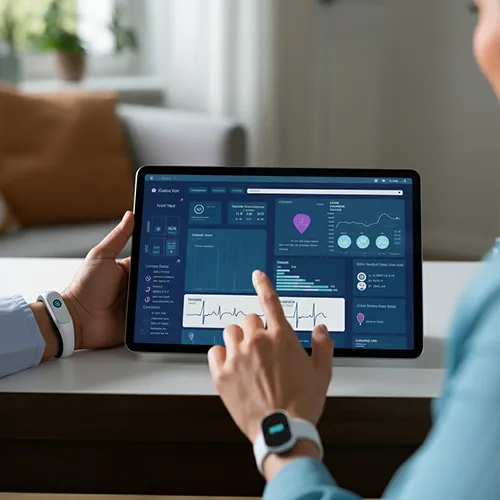
Remote Patient Monitoring utilizes technology to monitor patients' health data in real time from a distance. This service allows for timely intervention by healthcare providers, improving patient outcomes and satisfaction. It reduces the need for in-person visits, making healthcare more accessible and efficient, and supports patients in managing their health conditions from the comfort of their homes.
Questions that come up when these programs are actually run are answered in Praventa Insights: how concurrent billing works, whether to deliver in-house or with a partner, what a program costs and how to measure it.
Empowering Partnerships
Dedicated to long-term collaboration, we help partners improve outcomes, deploy effective population and program strategies, and reduce overall costs. Our model extends and strengthens existing operations rather than replacing them, reshaping how partners deliver on their mission. Praventa can support organizations as a technology provider, service provider, subcontractor, teaming partner, or through other appropriate contracting structures.